
AI and automation are no longer futuristic concepts—they’re here, reshaping industries at lightning speed. But while some fear a robot takeover, the reality is more nuanced. Not all jobs are equally at risk, and understanding which roles are vulnerable can help you stay ahead.
This article explores how AI, Data Science, and automation impact the job market and what skills can safeguard your career.
The AI & Automation Revolution
AI, machine learning, and automation technologies can perform repetitive tasks, analyze massive datasets, and even make decisions—faster and more accurately than humans in many cases.
Key Capabilities:
- Process Automation: Robotic Process Automation (RPA) handles data entry, payroll, and inventory updates.
- Predictive Analytics: AI predicts trends, consumer behavior, and operational risks.
- Intelligent Decision-Making: AI systems can make recommendations for hiring, marketing, or logistics.
While exciting, this means that some roles are more vulnerable than others.
Jobs Most at Risk
Some positions are inherently repetitive, rules-based, or data-heavy—making them prime targets for automation.
High-Risk Roles Include:
- Data Entry Clerks & Administrative Assistants: Robotic Process Automation (RPA) can handle these tasks faster with fewer errors by copying and transferring information across systems with speed and accuracy. It runs 24/7, eliminates errors, and frees employees to focus on higher-value work like analysis and decision-making.
- Routine Customer Support: Chatbots and AI-driven support can resolve common queries. They handle common customer questions instantly, 24/7, reducing wait times and errors. This automation lets human agents focus on complex issues that require empathy and judgment.
- Basic Analytics Roles: Jobs involving simple reporting and dashboard generation are increasingly automated. AI and automation tools can generate standard reports, dashboards, and data summaries without human intervention, freeing analysts to tackle deeper insights and strategic decision-making.
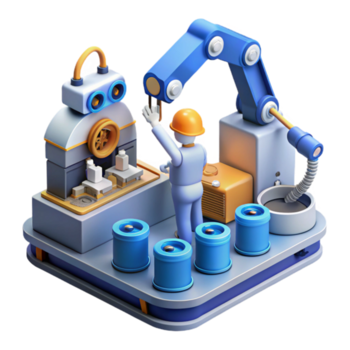
- Manufacturing & Warehouse Jobs: Robotics and AI logistics optimize production and inventory management. Robotics and AI-driven logistics streamline production, packaging, and inventory management, performing repetitive tasks faster and more accurately while reducing workplace errors and operational costs.
Roles That Are Safer
Jobs that require creativity, complex problem-solving, and emotional intelligence are much harder to automate.
Lower-Risk Roles Include:
- Data Scientists & AI Specialists: You can’t automate creativity, model selection, or advanced insights.
- Healthcare Professionals: Nurses, doctors, and therapists need human judgment and empathy.
- Creative Professionals: Marketing strategists, designers, and writers who combine AI with creativity thrive.
- Project Managers & Strategists: Complex decision-making and cross-team coordination remain human-driven.
Data Science: Both a Risk and an Opportunity
Interestingly, Data Science itself is both transforming jobs and creating them.
- AI can automate basic analytics, but advanced modeling, predictive insights, and ML deployment require skilled humans.
- Companies need Data Scientists to interpret AI results and translate them into business actions.
Key Takeaway:
- Entry-level analysts doing routine reporting may face automation.
- Skilled Data Scientists with ML, AI, and domain knowledge are increasingly in demand.
How to Future-Proof Your Career
Whether you’re worried about automation or aiming to leverage AI, here’s how to stay relevant:
- Upskill in AI and Data Science: Learn Python, machine learning, and AI tools.
- Develop Soft Skills: Creativity, communication, and leadership are hard to automate.
- Combine Technical + Domain Expertise: Finance, healthcare, and logistics professionals with AI knowledge are highly sought-after.
- Adaptability & Lifelong Learning: Industries evolve—staying curious and flexible is critical.
The Human Advantage
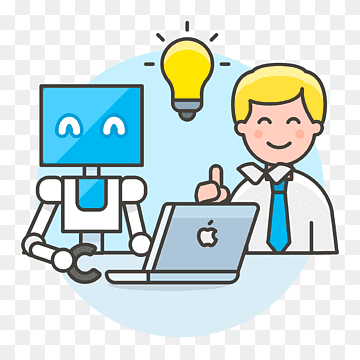
Even in the AI era, humans excel at nuance, ethics, and empathy—qualities machines cannot replicate. Successful careers will be a partnership between humans and AI, not a competition.
Automation may replace tasks—but humans will still own strategy, creativity, and complex decision-making.
Conclusion: Not All Jobs Are Doomed
AI and automation are reshaping the workforce, but the sky isn’t falling. Understanding which roles are at risk—and which are future-proof—lets you adapt strategically.
- Low-risk roles: Creative, strategic, and highly analytical jobs
- High-risk roles: Repetitive, rules-based tasks
By upskilling, combining technical and soft skills, and embracing AI, you can thrive in this new era rather than fear it.
AI isn’t here to replace humans—it’s here to augment and enhance what we do best.