
Data Science is one of the hottest career paths today, but breaking into the field can be confusing. Many aspiring data professionals wonder: “Should I focus on learning Python or dive straight into Machine Learning?”
Both skills are important, but they serve very different purposes. This article explores the debate, giving you a clear picture of what hiring managers really look for.

Python: The Foundation of Data Science
Python is often the first skill recommended for beginners. It’s a versatile programming language used for data analysis, automation, and building data pipelines.
Why Python Matters:
- Data Manipulation: Libraries like Pandas and NumPy make it easy to clean and analyze datasets.
- Visualization: Matplotlib, Seaborn, and Plotly help create meaningful visual insights.
- Automation & Scripting: Python automates repetitive tasks, saving time on data preparation.
- Integration: Works seamlessly with databases, APIs, and cloud platforms.
Use Cases in Job Roles:
- Data Analyst positions often require strong Python skills.
- Entry-level Data Scientist roles rely on Python for data cleaning and basic analysis.
Machine Learning: The Skill That Makes You Stand Out
Machine Learning (ML) is the “next step” after you’ve mastered Python. It involves training models to predict outcomes, classify data, or automate decision-making.
Why ML Matters:
- Predictive Analytics: Helps businesses forecast trends.
- Automation of Decision-Making: From recommendation engines to fraud detection, ML powers intelligent systems.
- Advanced Data Insights: Moves beyond descriptive statistics to uncover hidden patterns.

Use Cases in Job Roles:
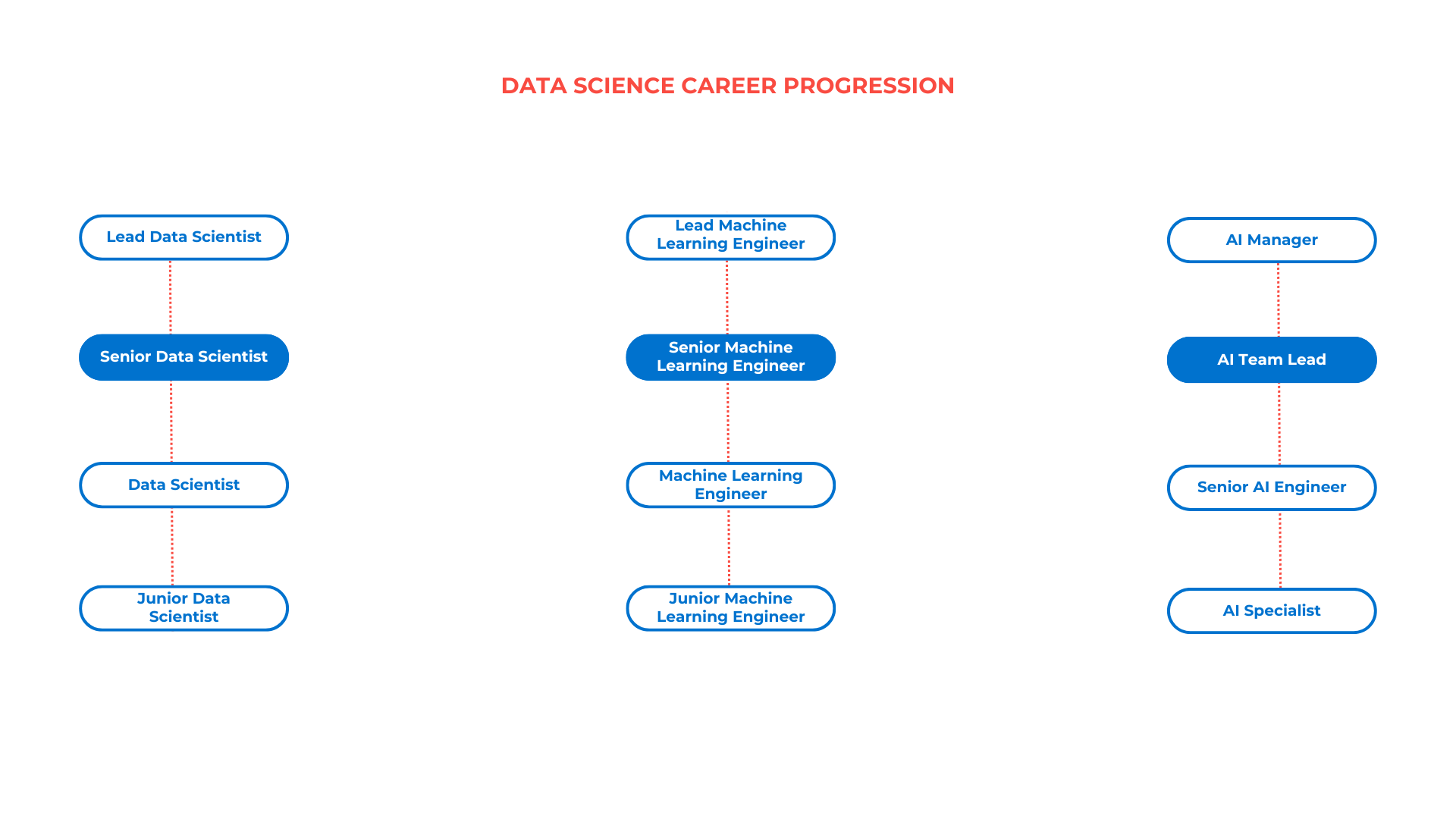
- Mid to senior-level Data Scientist positions often expect ML knowledge.
- ML is key for roles in AI, deep learning, and specialized analytics projects.
Python vs Machine Learning: Head-to-Head Comparison
| Feature | Python | Machine Learning |
|---|---|---|
| Required for Entry-Level Jobs | ✅ Yes | ⚠ Sometimes |
| Required for Advanced Roles | ✅ Yes | ✅ Yes |
| Learning Curve | Low | High |
| Impact on Hiring | Foundational | Differentiator |
| Tools & Libraries | Pandas, NumPy, Matplotlib | scikit-learn, TensorFlow, PyTorch |
Common Misconceptions
- “I need ML to get any job in Data Science.” False. Entry-level roles often value Python more.
- “Python alone isn’t enough.” True for advanced roles, but many companies hire Python experts for analysis-focused positions.
- “ML without Python is useful.” False. Python is the primary language for ML in industry.
Conclusion
Both Python and Machine Learning are vital skills for a data science career—but they serve different purposes. Python is the foundation, enabling data manipulation, analysis, and automation. Machine Learning is the advanced skill that makes you stand out for specialized roles.
If you’re starting out, focus on Python first, then build ML expertise. Combining both opens the door to more opportunities, higher salaries, and roles that actually impact business decisions.
Master Python to get hired. Master Machine Learning to get noticed.