
Data Science promises insights, efficiency, and smarter decision-making—but the reality is stark: over 80% of Data Science projects fail to deliver tangible results. The reasons are often not technical, but rooted in planning, communication, and execution.
This article explores the common pitfalls of Data Science projects and provides actionable steps to ensure your project succeeds.

1. Lack of Clear Business Objectives
One of the biggest reasons projects fail is unclear goals. Data scientists sometimes focus on interesting models or datasets, forgetting the business question.
How to Avoid This Mistake:
- Start every project with a clear problem statement.
- Align objectives with key stakeholders.
- Define measurable success metrics before starting.
Example:
A company wants to improve customer retention. Without defining retention KPIs, a predictive churn model might be accurate but irrelevant to business priorities.
2. Poor Data Quality and Management
Data is the backbone of any Data Science project. Projects fail when the data is incomplete, inconsistent, or outdated.
Tips to Prevent Data Issues:
- Conduct a data audit before analysis.
- Clean and standardize datasets using tools like Python, R, or SQL.
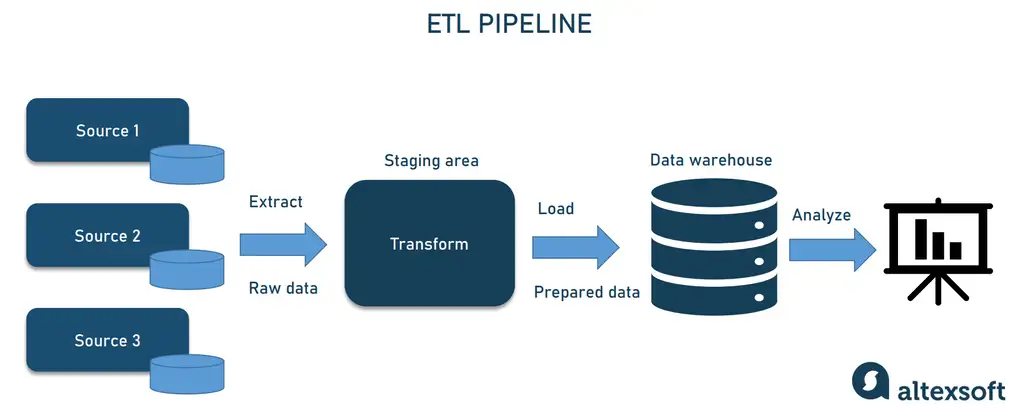
- Set up automated data pipelines for continuous updates.
Clean data isn’t optional—without it, even the best ML model fails.
3. Ignoring Stakeholder Communication
Data Science isn’t just coding and modeling—it’s about communicating insights effectively. Projects often fail because analysts fail to explain results in business terms.
How to Avoid Communication Gaps:
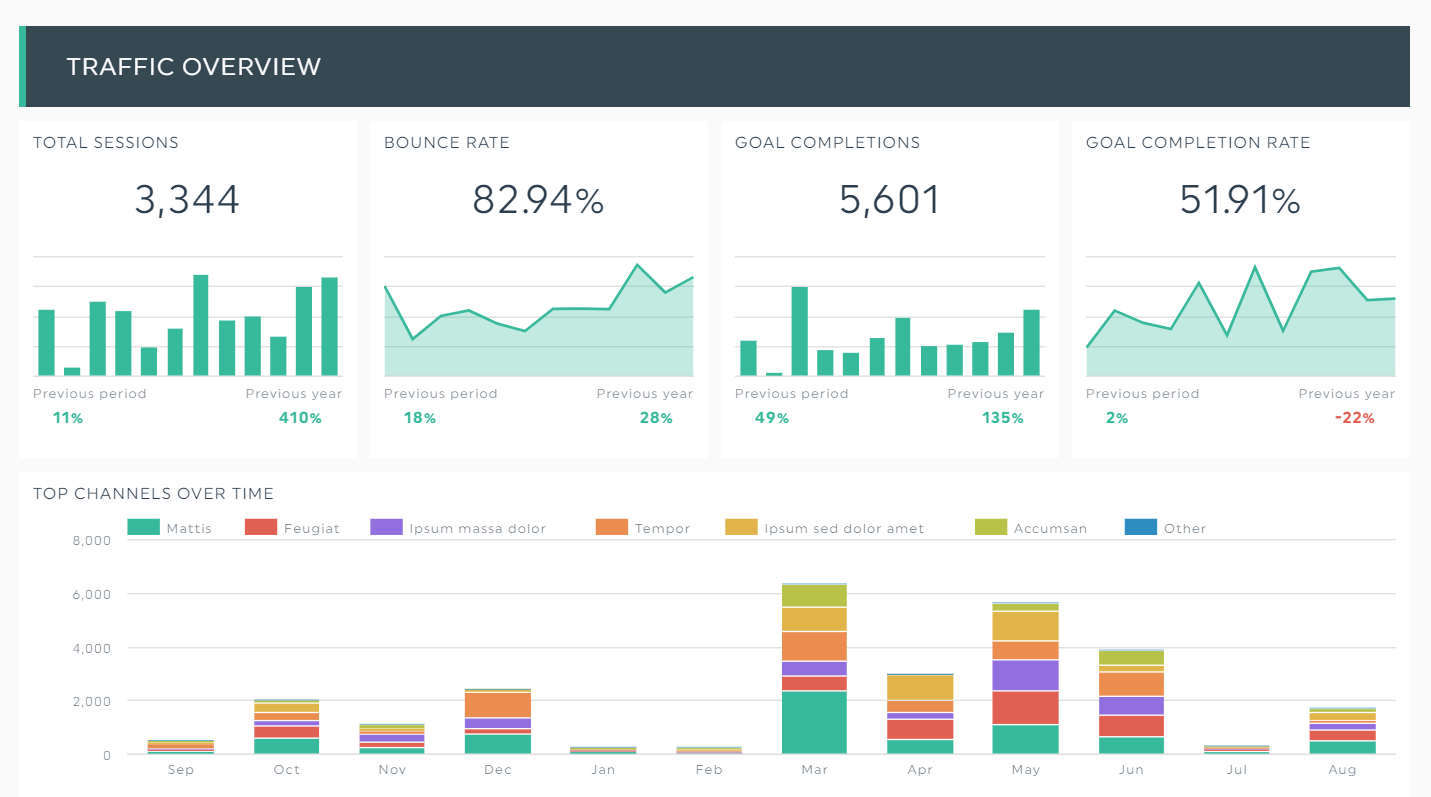
- Use dashboards (Power BI, Tableau) to visualize key insights.
- Translate technical results into actionable business recommendations.
- Involve stakeholders regularly in project updates.
4. Overcomplicating Models
Many teams fall into the trap of building complex ML models for problems that don’t require them. Overengineering leads to slow deployment and hard-to-maintain solutions.
Best Practices:
- Start with simpler models like linear regression or decision trees.
- Only scale to advanced models (neural networks, ensemble models) if accuracy gains justify complexity.
- Focus on explainability—stakeholders trust models they can understand.
5. Lack of Proper Deployment Strategy
A model isn’t useful until it’s deployed and used in production. Many projects fail because teams stop after the prototype phase.
Deployment Tips:
- Plan deployment from day one.
- Use version control and containerization tools like Git, Docker.
- Ensure monitoring and feedback loops to detect model drift or errors.
6. Failing to Iterate and Improve
Data Science is not a one-and-done task. Business environments change, and models need continuous improvement. Projects fail when teams treat models as static.
Solution:
- Schedule regular model evaluation and retraining.
- Collect feedback from users to improve predictions.
- Document changes and decisions to maintain transparency.
Conclusion: Set Your Data Science Project Up for Success
Most Data Science project failures are preventable. By focusing on:
- Clear objectives
- High-quality data
- Effective communication
- Appropriate model complexity
- Deployment strategy
- Continuous iteration
…you can increase your chances of delivering actionable insights that impact business decisions.
Remember: Success in Data Science isn’t just about algorithms—it’s about solving real business problems.